
Whoa! I remember the first time I opened a Solana DApp and felt totally lost. Seriously? Wallet popups, confusing keys, and a dozen warnings that made my head spin. My instinct said «there’s got to be a cleaner way,» and after some digging I landed on Phantom. At first I thought it was just another shiny interface. Actually, wait—let me rephrase that: it looked simple, but there was more under the hood than the UI suggested. This piece is about why Phantom matters, how to install the Phantom extension safely, and some real-world tips I picked up along the way.
Quick context: Phantom is a popular Solana wallet that works as a browser extension and a mobile app. It lets you manage SOL and SPL tokens, connect to wallets for DeFi or NFTs, and sign transactions without juggling raw private keys every time. I’m biased, but for everyday use it nails the balance between convenience and thoughtful security. (Oh, and by the way… this isn’t financial advice.)
Here’s the thing. Many users confuse «easy install» with «safe install.» They click the first extension result, grant broad permissions, and then wonder why somethin’ feels off. Take a breath. Slow down. Verify before you proceed.
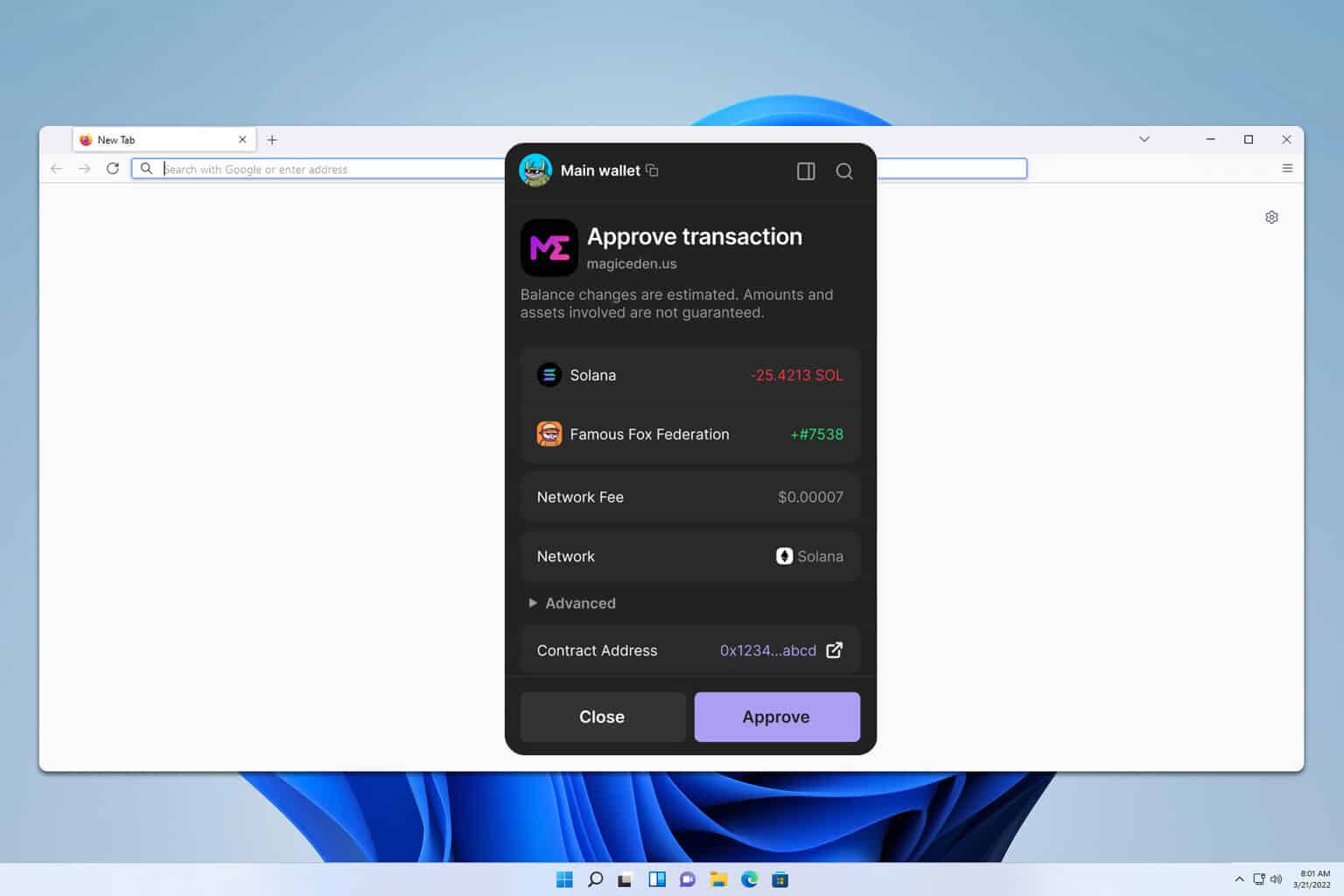
How to download the Phantom extension safely
Start from a trusted source. For the browser extension there’s an official distribution route and a few reputable mirrors. A straightforward place to begin is the Phantom web presence, and you can also find an installer via this link to the phantom wallet download extension if that’s where you prefer to start. Check the URL carefully. Short sentence. Confirm the domain and any reviews or community threads about the page you’re using.
Install steps, plain and simple:
- Open Chrome, Brave, Edge or Firefox. Phantom supports Chromium-based browsers and Firefox (some features vary).
- Click the extension store item and review permissions. Ask yourself: does this extension need access to all my sites? If the permission set looks overly broad, pause.
- Install and pin the extension. Create a new wallet or restore one from a seed phrase (use the seed phrase only in the extension’s UI — never paste it into random websites).
- Write down the secret recovery phrase on paper. Store it securely. Do not take photos and upload them to cloud backups unless you really know what you’re doing.
Short reminder: never share your seed phrase. Ever. Seriously. If someone asks for it to «verify» your wallet, close the page and walk away.
Setting up Phantom — practical tips
When you first create a wallet, Phantom will give you a 12-word recovery phrase. Write it down. Say it out loud? Maybe not. But I will be blunt: move slowly here. Your seed phrase is your life line. Keep it offline.
Initially I thought a screenshot was fine. Then I realized how easily that could be stolen or accidentally synced to a cloud service. On the other hand, a paper copy in a safe or a secure hardware wallet backup is much better. If you have a hardware wallet like Ledger, you can pair it with Phantom for added security — I’ve done this and it reduces anxiety a lot.
Customize your account names, set a small default payment for transaction fees to avoid surprises, and consider limiting auto-connect permissions for sites you don’t use. Phantom makes connecting to sites easy, but permission creep is real: revoke access for old DApps you no longer trust.
Using Phantom with Solana DApps
Phantom’s biggest value is the seamless connection to Solana’s DApp ecosystem. Tap «Connect» on a marketplace or DeFi site and Phantom handles signing. It’s fast. No more copying raw transaction hex and pasting it into a CLI. That convenience is powerful, though it means you must be alert to phishing sites that spoof DApp UIs.
Here’s a practical habit: always confirm the transaction details inside the Phantom popup. Check the destination address and the amount. If a DApp requests authority to spend tokens, read the scope. Some approvals are broad and may require manual revocation later.
Also, watch for spam tokens. Sometimes a token shows up in your wallet list but has no value. That’s usually fine but don’t interact with suspicious tokens unless you know what you’re doing. They can be a vector for confusing permission prompts.
Troubleshooting and common gotchas
Browser extensions can conflict. If Phantom won’t connect, try disabling other crypto extensions. Clear site data or try an incognito window with only Phantom enabled. Duplicate tabs of the same DApp can cause stale sessions. Close extras.
Transaction failed? Network congestion or fee settings are often the cause. Solana is fast, but things can queue up during NFT drops. Increase the fee a tad if you need quicker confirmation. And if a signature request looks off — reject it. Your gut will often sense somethin’ isn’t right. Trust that.
Lost seed phrase? If you didn’t back up, there’s no safety net. It’s a tough lesson for many. Hardware wallets or secure paper backups are prevention, not an afterthought.
FAQ
Is the Phantom extension safe?
Phantom is widely used and actively maintained, but «safe» depends on how you install and use it. Install from trusted sources, verify URLs, and keep your recovery phrase offline. Pairing Phantom with a hardware wallet increases security significantly.
Can I use Phantom on mobile?
Yes. Phantom has a mobile app that syncs with the extension via a secure restore using your seed phrase. Many people use the extension for desktop DApp interactions and the app for on-the-go management.
What if I accidentally approve a malicious transaction?
Act fast: check pending transactions, revoke approvals where possible, and move any remaining funds to a new wallet. If funds were drained, report to the DApp and community channels; recovery is rare, but immediate action may help limit further exposure.
Okay — final note. Phantom makes Solana accessible without the command-line headaches, and for many users it strikes the right balance between usability and security. I’m not 100% sure it’s perfect for every workflow, and honestly, some parts still bug me (token allowance management could be clearer). But if you want a browser-friendly Solana wallet that gets 90% of daily needs done well, Phantom is worth trying. Give it a careful install, keep your backups truly offline, and enjoy exploring Solana — cautiously, curiously, and with your seed phrase locked up tight.